Land Ownership, Women’s Empowerment, & Gender-based Violence in Nicaragua


Nicaragua Women’s Social Movement
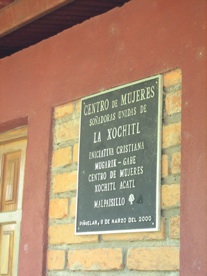
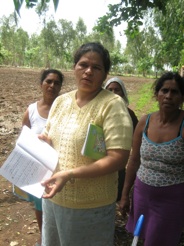
Xochitl Acalt has meeting centers throughout the municipality of Malpaisillo to encourage women’s organizational capacity and civic participation.
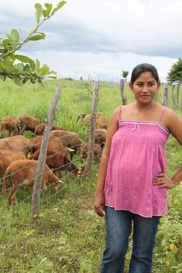
Women land owners outside of León discussing their yield.
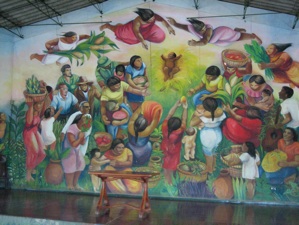
Circle of Commitment mural in the Batahola Cultural Center in Managua
Visiting Patricia Hernandez, former head of the the Gender Unit in the Rural Titling Office in Managua.
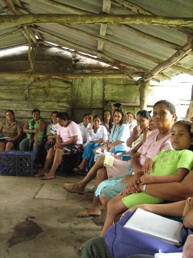
Members of Comité de Mujeres Rurales, outside of León. The Comité’s goals include consciousness-raising surrounding women’s state of subordination. The women pictured are all land-owners.
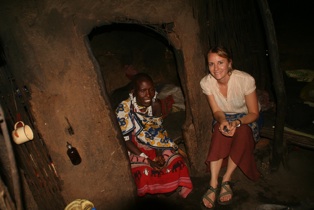
An interview in a woman’s house in Ngarineibor.
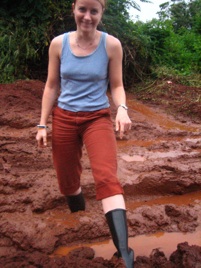
A failed attempt to push out our stuck transportation in a field visit.
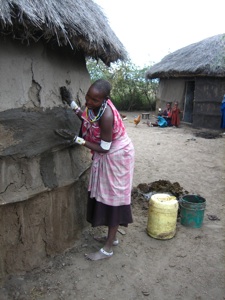
Women’s work: housebuilding.
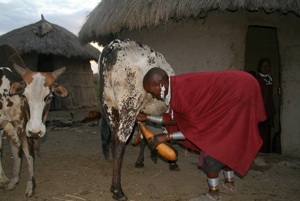
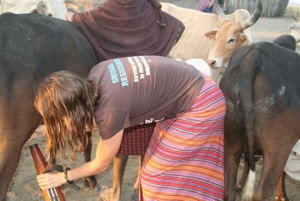
More women’s work: morning milking.
Shelly trying, and failing, to produce milk during the morning milking.
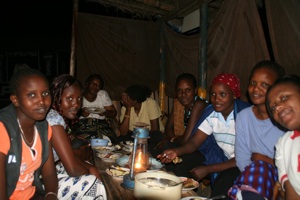
The research team sharing dinner on our first night outside of Minjingo, Tanzania
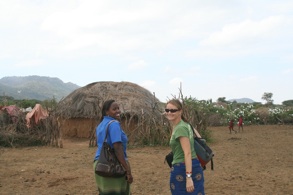
Shelly with translator and research assistant Scolastika in Looldupa Boma, Longido Tanzania
Umoja (“unity in Swahili) is an all-female village located in northern Kenya. Founded as a “violence-free” village for survivors of gender-based violence and young girls running from forced marriages.
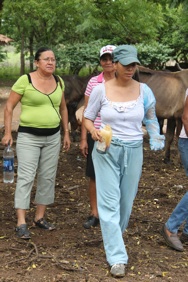

Veterinarian giving a workshop for female agriculturalists to test their cattle for pregnancy.
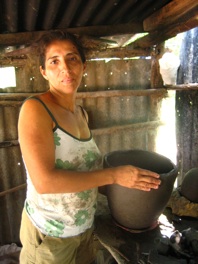
The feminization of poverty imposed by neoliberal policies is reflected in a burgeoning informal sector. This woman came to the door with clay all over her hands for our interview.
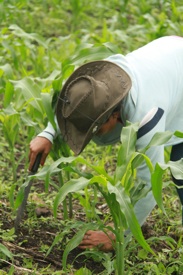
Farmer with the Fundación Entre Mujeres (LaFem) tending her crops.
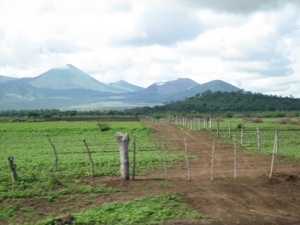
Cerro Negro (volcano in the distance) and fertile ground in the Cordillera mountain range. 10km from Malpaisillo.
Member of Centro de Mujeres Xochitl Acalt giving a tour of her farm.

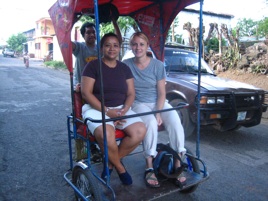
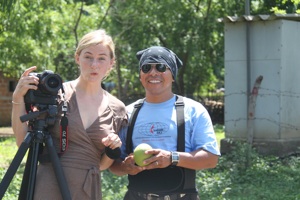
Our film crew. Videographer and artist, Ansley West. Driver & team member extraordinaire Juan Pablo.
Radio Vos is a non-commercial radio station administered by the Women’s Collective of Matagalpa, broadcasting 12 hours of feminist programming a day.
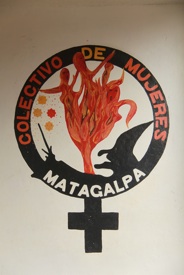
The world over, feminists experience backlash with labels intended to marginalize (e.g., lesbian, witch). Many activists in Nicaragua have turned this usage on it’s head and promoted it in a prosocial manner.
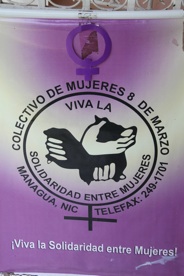
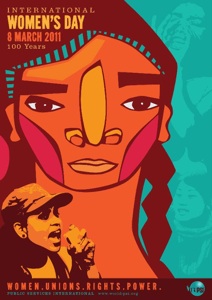
The March 8th collective was one of the original groups started in Managua in the 1980s. The focus on violence against women and women’s health.
The women’s collective of Matagalpa, founded in 1986, uses radio programming and theatre to address women’s sexual and reproductive rights.
Land Ownership, Civic Participation, & Violence among Women in Tanzania
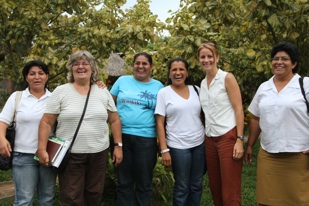
Shelly and collaborators. Board of directors at the Centro de Mujeres Xochitl Acalt in Malpaisillo.