


Welcome to the Conservation Science & Solutions Lab
We pursue research to enhance the stewardship, understanding and appreciation of the ecosystems that sustain biological and cultural diversity. Our projects focus on terrestrial ecosystems and communities, links between biodiversity and human well-being, and the implications of interacting global and regional environmental changes.
HIGHLIGHTS
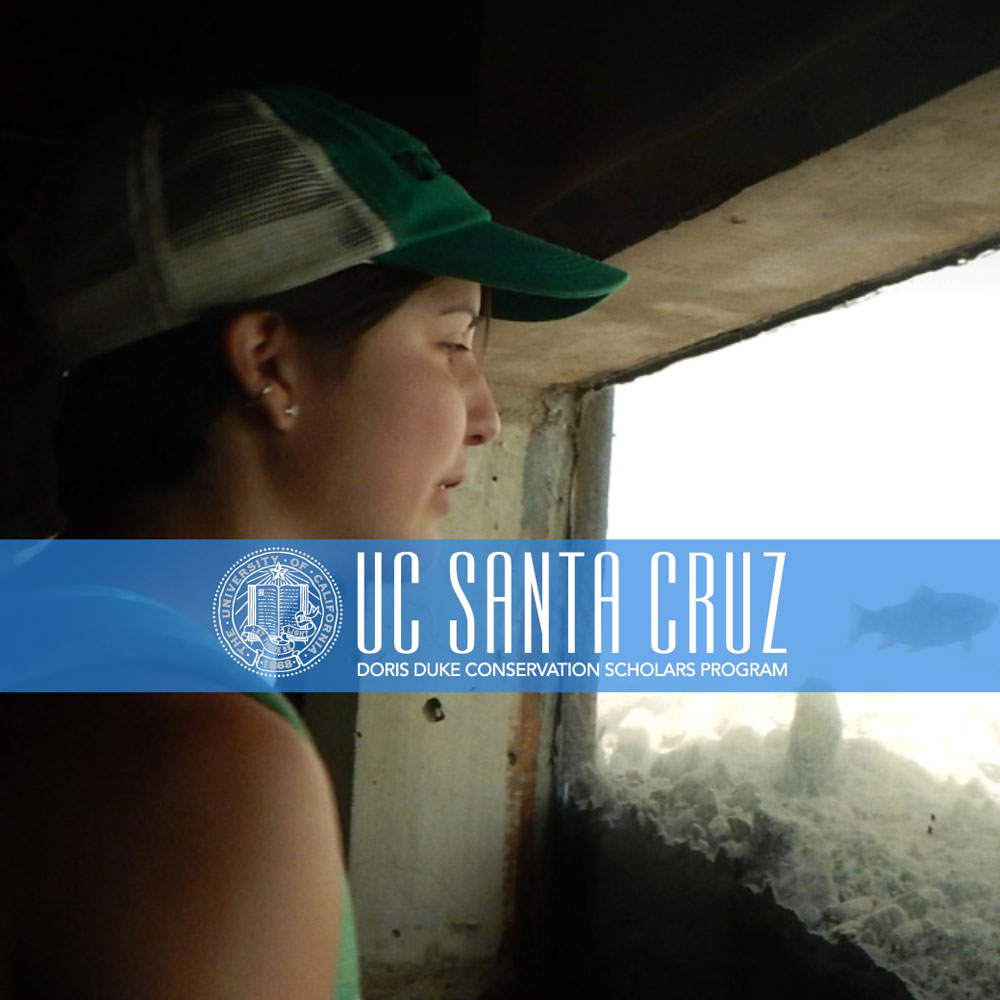
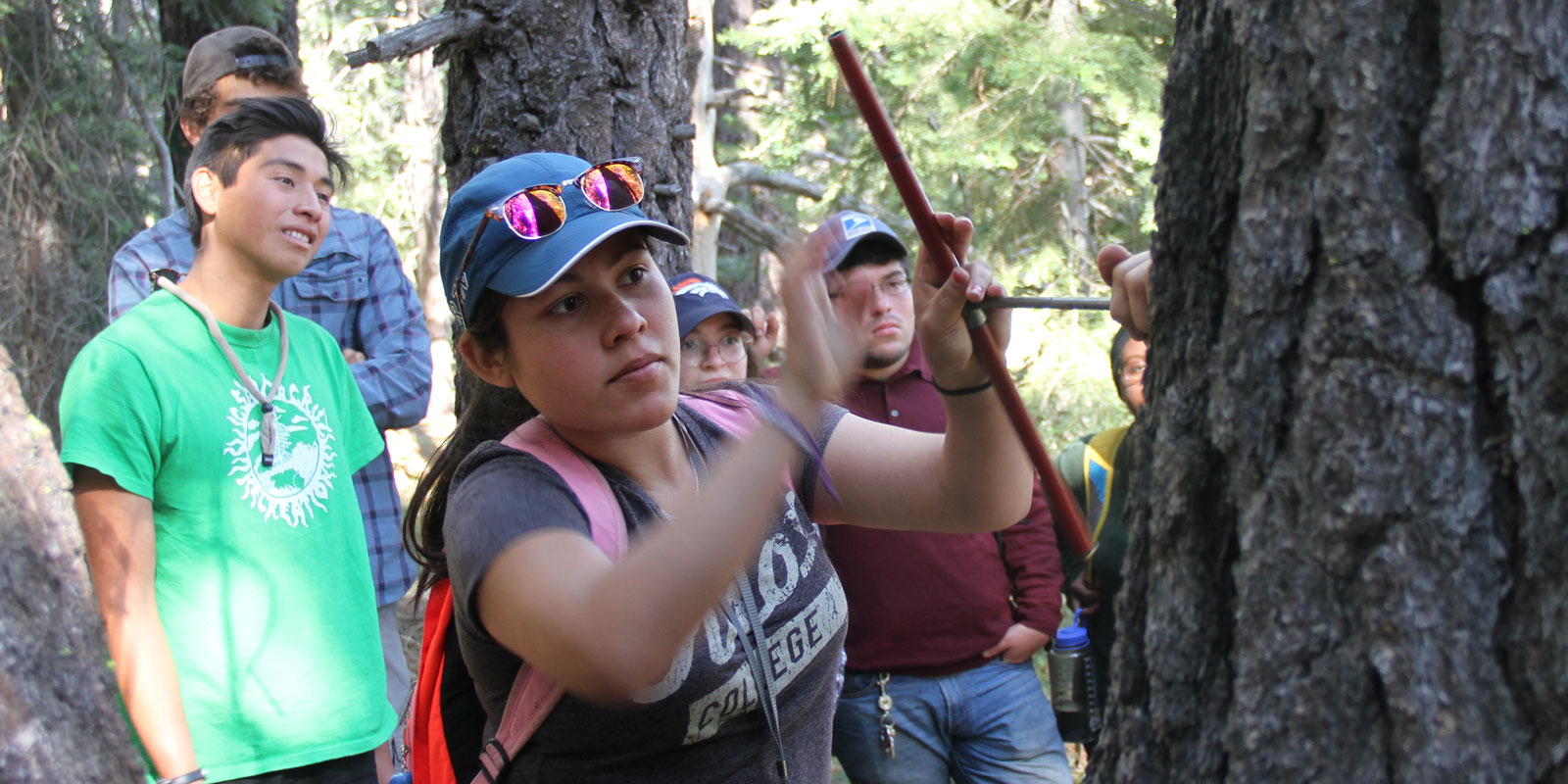
The Doris Duke Conservation Scholars Program at UCSC exposes early-career college students to the field of environmental conservation through field research, leadership and professional training. Learn More:

The Center to Advance Mentored, Inquiry-Based Opportunities (CAMINO) is an inclusive community that aims to propel excellence by diverse undergraduates in ecology and conservation. Learn More:
Summer 2023:
Congratulations to Post-Doc Reza Goljani Amirkhiz for winning the Distinguished Dissertation Award for their PhD dissertation!
Spring 2023:
Nicolás was selected to receive the 2023 National Science Foundation’s Graduate Research Fellowship in April 2023
Winter 2023:
Congratulations to PhD student Katherine Bernier for passing her comprehensive exams!
Erika Zavaleta and Blair McLaughlin lead inter-campus effort to launch the UC Center for Climate-Adaptive Biodiversity Conservation
Erika, Kristen Ruegg at Colorado, State University, and Mevin Hooten at University of Texas, Austin receive NSF Organismal Response to Climate Change (ORCC) award to study eco-evolutionary responses of Rosy Finches to climate change in the alpine.
Erika Zavaleta was awarded a MacArthur Foundation Chair in Ecology and Evolutionary Biology
Fall 2022:
Lab members McLaughlin, Skikne and Zavaleta publish update on conservation strategies to address the climate crisis in Biological Conservation featured in Science Daily
Welcome new PhD student Nautica Jones! Nautica plans to study the intersections of black traditional ecological knowledge and climate resilience. She is a UCSC-Doris Duke Ph.D Fellow ‘22.
Welcome lab member Lina Arcila Hernández! Lina is studying how immersive field experiences and inclusive teaching practices can benefit students in STEM.
Spring 2022:
Congratulations to PhD student Nicolàs Cruz for passing his comprehensive exams!
Lab member Sushmita Podel has advanced to candidacy; congratulations!
Fall 2021:
Graduation day! Huge congratulations to lab member Flavia Oliviera for completing her dissertation work and graduating with her PhD.
Lab member Tim Brown has advanced to candidacy. Congratulations on passing the qualifying exam!
Ecological Society of America (ESA) names Erika Zavaleta “Excellence in Ecology Scholar” in recognition of her continued work on diversity, equity, and inclusion
Welcome new Phd student Nicolás Cruz! Nicolás plans to study the relationship between settler colonialism and ecology, the restoration of fire and Indigenous management practices, and invasion ecology. He was awarded the Cota Robles Fellowship, which provides funding and a stipend for 3 years with 2 additional years of funding through TAships
Conservation in the news! “NRS (Natural Reserve System) instrumental in biologist’s ascent to grad school“–great article about Tim Brown and his work!
Impact factor: diversity, equity, and inclusion publication! “Anti-racist interventions to transform ecology, evolution and conservation biology departments“. Very important and timely work–thank you to all the co-authors!
Summer 2021:
The Doris Duke Conservation Scholars Program completed an exciting in-person summer! Read a great article from the UC Santa Cruz Magazine (“The outdoors opens doors–to success!”) or the DDSCP fall newsletter here, or a great article in the The 2020 cohort completed Santa Cruz-based internships, while the 2021 cohort embarked on an 8-week journey across California building skills in conservation research, communication and leadership.
Applications for the 2022 DDSCP cohort are open from Oct. 15-Feb. 1
Spring 2021:
First authorship! Lab member Sushmita Poudel publishes in Ethnobotany of the Himalayas and also receives the “STARS Re-entry” fellowship
Conservation and policy impact! Erika Zavaleta named newest commissioner for California Fish and Game
Diversity recognition! The Ecological Society of America honors Erika Zavaleta with the 2021 “Commitment to Human Diversity in Ecology” award
Fall 2020:
Welcome! Lab member Kat Bernier and partner Eric Stoorza welcome their tiny addition to the Conservation Science and Solutions Lab. Their son, Taiga, was born October 24.
Spring 2020:
Congratulations! Lab member Kyle Reid has been awarded the NSF: Graduate Research Fellowship Program. This program provides a five-year fellowship, includes three years of financial support including an annual stipend of $34,000 and a cost of education allowance of $12,000 to the institution.
Winter 2020:
Welcome! Dr. Abe Borker is the new director for the Doris Duke Conservation Scholars Program, as founding director, Dr. Justin Cummings, transitions his focus to Mayor of the City of Santa Cruz. Congratulations to both!
The Doris Duke Charitable Foundation has awarded renewed funding for the Doris Duke Conservation Scholars Program at UC Santa Cruz with a grant of $2.63 million over the next four years.
Fall 2019:
Lab member Tim Brown received the Mildred E. Mathias Graduate Student Research grant from the UC Natural Reserve System for his work on Gray-Crowned Rosy-finch species in The Sierra Nevada mountain range
Lab member Kyle Reid successfully passes the Comprehensive Exam
Spring 2019:
Lab member Tim Brown received a Sequoia Science Learning Center Research Grant ,
Valentine Eastern Sierra Reserve graduate student research grant and 2019 Bloom Hays Ecological Research Grant
Lab member Sushmita Poudel awarded P.E.O International Peace Scholarship.
Spring 2018:
Learn more about Bronwen Stanford’s research on the uneven distribution of coastal stream restoration projects in California.
Fall 2017:
The Howard Hughes Medical Institute (HHMI) has named Erika Zavaleta an HHMI Professor!
“The land from which we base our work is the unceded territory of the Awaswas-speaking Uypi Tribe. The Amah Mutsun Tribal Band, comprised of the descendants of indigenous people taken to missions Santa Cruz and San Juan Bautista during Spanish colonization of the Central Coast, is today working hard to restore traditional stewardship practices on these lands and heal from historical trauma.”